The nation was moved to tears when Sergeant Reynolds — an 80-year-old Marine who served two tours in Vietnam — broke down crying in a recent interview about his battle with Alzheimer's.
"I was so angry," Reynolds revealed. "I survived Vietnam. I survived two tours in the jungle. But I couldn't survive forgetting my own wife's name."
"Doctors said I would spend my last years in a nursing home, unable to recognize my own children. And the answer was sitting on my spice rack the whole time."
So, if you're suffering from memory loss — the forgetfulness, the brain fog, that terrifying moment when you walk into a room and can't remember why…
You're NOT alone.
After 2 years of failed medications like Aricept and Namenda, Reynolds was referred by a fellow veteran to a UCLA neurologist who had been quietly researching the real cause of Alzheimer's — a doctor who has been called "the man ending Alzheimer's" by TIME Magazine.
What this doctor discovered about the REAL cause of memory loss changed everything — and it's now helping thousands of Americans save their memories from Alzheimer's.
Dr. Dale Bredesen, a leading UCLA neurologist, agreed to sit down for an exclusive televised interview on CBS Sunday Morning to explain the step-by-step protocol that Sergeant Reynolds and thousands of other Americans are now using.
One ritual that has been getting plenty of attention lately combines two common kitchen ingredients that many of us already have at home — making it one of the most discussed wellness routines on morning shows this year.
If you sometimes find it harder to recall names or stay focused during the day, you are far from alone — many adults over 60 say the same.
To learn more about this growing trend, our team spoke with Dr. James Mitchell — a board-certified neurologist with over 30 years of clinical experience and a long-time researcher in how everyday habits and nutrition can support cognitive function and overall well-being.
What Dr. Mitchell shared in a recent interview surprised many viewers — and quickly became a conversation across kitchens, podcasts, and morning shows nationwide.
In an exclusive interview with Jane Austen, Dr. Mitchell walked through the simple daily routine that so many families have been talking about.

During the interview, Dr. Bredesen shocked the audience by stating:

Jane Austen: "Dr. Mitchell, this morning ritual has been getting a lot of attention online. What is it about it that has people so curious?"

Dr. Mitchell: "Honestly, the conversation is interesting because it's so simple. As we get older, small daily choices add up over time — what we eat, what we drink, how we start the morning. Many ingredients commonly found in our kitchens have been part of family routines around the world for generations. It's less about any 'one solution' and more about small habits that feel good and easy to keep up."
Jane Austen: "Your video segment about the 'Honey Ritual' got over 4.5 million views. What do people seem to enjoy most about it?"

Dr. Mitchell: "I think people are drawn to ideas that are easy to do at home. One spoonful of raw honey combined with a touch of a familiar red spice has been part of traditional kitchens around the world for centuries. Many of the families I've spoken with say they simply enjoy the routine, the warmth, and the small moment of calm it brings to the start of their day. That can mean a lot at any age."
Jane Austen: "Can anyone try this at home?"

Dr. Mitchell: "Most people already have these ingredients in their kitchen. Many find it easy to add to their morning routine, and it pairs nicely with a warm drink or a piece of toast. My own mother, 78 years old, enjoys it every evening with her tea — she calls it her favorite part of the day. I've put together a short video explaining exactly which type of honey, which specific red spice, and the proportions she uses. Watch it below."
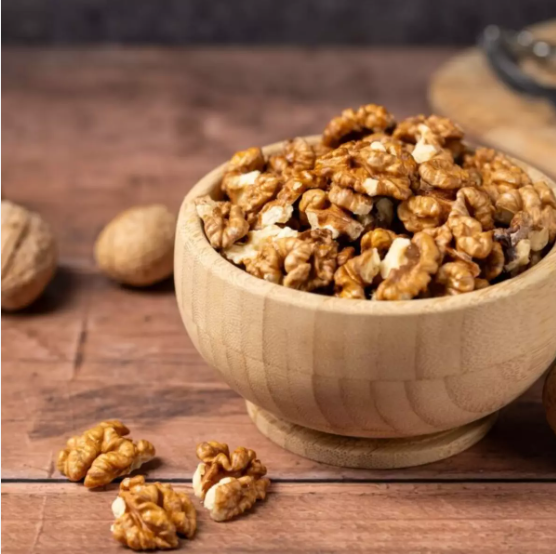
Nuts such as walnuts, almonds, pistachios, and pecans can be a valuable addition to a diet focused on brain health. They provide healthy fats, vitamin E, magnesium, and other nutrients that support normal brain function and may help protect brain cells from oxidative stress. Regularly including a variety of nuts as part of a balanced diet may therefore contribute to maintaining memory and cognitive function over time.
Certain beverages may negatively affect memory when consumed excessively or frequently. These include beer, red wine, white wine, whiskey, vodka, rum, gin, tequila, cachaça, and sparkling wine. The main factor responsible for these effects is alcohol, which can temporarily interfere with attention, memory formation, and memory recall and, in cases of chronic heavy consumption, may contribute to cognitive impairment.